
Phlebotomy certification in Muskegon requires completing a certified training program, gaining hands-on lab experience through local partnerships, and securing clinical rotations. The Grand Rapids-Kentwood-Muskegon area offers ample opportunities for lab work at healthcare facilities, research institutions, and pharmaceutical companies, facilitating certification and diverse careers. Networking and leveraging online resources help aspiring phlebotomists find lab work naturally and enhance their prospects in West Michigan's thriving healthcare sector.
The demand for phlebotomy professionals is on the rise, driven by advancements in medical technology and an aging population. Muskegon, nestled in the Grand Rapids-Kentwood-Muskegon metro area, offers a vibrant healthcare landscape where aspiring phlebotomists can find Lab Work naturally. However, navigating the certification process can be challenging, with numerous courses available and varying quality levels. This article delves into the critical aspect of Muskegon phlebotomy certification courses, providing an authoritative guide to ensure individuals gain legitimate expertise and contribute effectively to the medical field in and around Grand Rapids-Kentwood-Muskegon.
- Understanding Muskegon Phlebotomy Certification Requirements
- Exploring Accredited Training Programs in West Michigan
- The Importance of Hands-On Lab Experience
- Finding Clinical Rotations in Grand Rapids-Kentwood-Muskegon
- Preparing for the National Phlebotomy Certification Exam
- Career Paths for Certified Phlebotomists Local to Muskegon
- Building a Network: Opportunities for Continued Learning and Growth
Understanding Muskegon Phlebotomy Certification Requirements
In Muskegon, phlebotomy certification is a crucial step for aspiring medical professionals aiming to enter the field of blood collection and analysis. Understanding the certification requirements is essential before embarking on this career path. The process involves rigorous training and practical experience, ensuring individuals are equipped with the necessary skills.
The first step is to meet the educational prerequisites set by the Michigan Board of Nursing. This typically includes completing a certified phlebotomy training program offered by approved institutions. Many community colleges in the Grand Rapids-Kentwood-Muskegon area offer such programs, providing a solid foundation in phlebotomy techniques, anatomy, and patient safety. Upon completion, students receive a diploma or certificate, marking the beginning of their professional journey.
Finding lab work in Grand Rapids-Kentwood-Muskegon naturally aligns with career aspirations. Local hospitals, clinical laboratories, and even biotechnology startups in Grand Rapids offer ample opportunities for certified phlebotomists. For instance, prominent healthcare facilities like Mercy Health and Spectrum Health frequently recruit skilled phlebotomists, ensuring a steady flow of job prospects. Additionally, the region’s thriving biotechnology sector presents itself as a game-changer, with companies focusing on innovative research and development, creating diverse lab job opportunities near Kentwood, Michigan.
Exploring Accredited Training Programs in West Michigan

In West Michigan, particularly in the Grand Rapids-Kentwood-Muskegon area, aspiring phlebotomists seeking comprehensive training have a variety of accredited programs to choose from. These courses are designed to equip students with both theoretical knowledge and practical skills necessary for success in this critical healthcare role. One notable aspect of phlebotomy education in this region is the natural integration of lab work, allowing students to gain hands-on experience within local medical facilities and research institutions. For instance, many programs partner with hospitals and clinics in Grand Rapids, offering students opportunities to find lab work in Grand Rapids-Kentwood-Muskegon areas, thereby bridging classroom learning with real-world clinical settings.
Accredited training programs in West Michigan are not only recognized for their quality but also for fostering connections with local healthcare industries, including those involved in medical research and clinical trials recruitment. The Muskegon area, known for its thriving healthcare sector, offers robust medical research opportunities that can enrich the educational experience of aspiring phlebotomists. Students may find internships or part-time positions in nearby research facilities, gaining valuable insights into cutting-edge scientific procedures and protocols. Similarly, West Michigan’s clinical trials recruitment industry presents unique chances for phlebotomy students to contribute to groundbreaking studies and gain employment within Grand Rapids’ thriving clinical trial landscape.
Choosing the right program involves considering factors like curriculum depth, faculty experience, and opportunities for practical training. Aspiring phlebotomists should look for institutions that offer a blend of classroom instruction and hands-on lab sessions. In addition, engaging with instructors who have extensive experience in the field can provide valuable mentorship. Many accredited programs in West Michigan meet these criteria, ensuring students are well-prepared to enter the workforce. Ultimately, exploring these accredited training programs not only paves the way for certification but also opens doors to fulfilling careers and contributes to the robust healthcare ecosystem in Grand Rapids and beyond.
The Importance of Hands-On Lab Experience
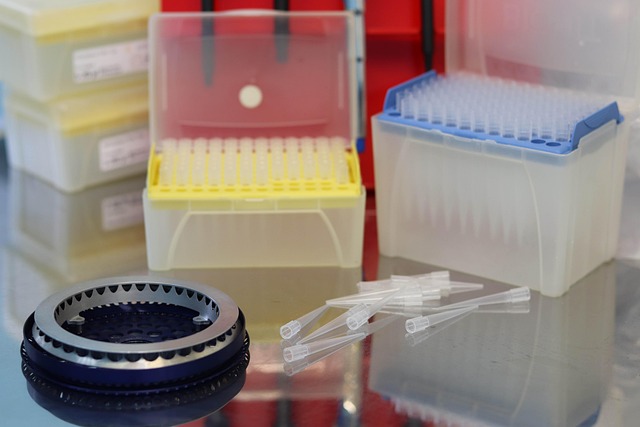
In the pursuit of phlebotomy certification, hands-on lab experience stands as a cornerstone of a robust educational foundation. This practical component allows aspiring medical professionals to translate theoretical knowledge into tangible skills, ensuring they are prepared for the intricacies of patient care. In the Grand Rapids-Kentwood-Muskegon area, naturally occurring opportunities exist where students can gain this critical experience, fostering their development into competent and confident phlebotomists.
Engaging in microscopy positions at local healthcare facilities or research institutions in West Michigan provides a direct path to honing these skills. These roles offer a chance to observe and manipulate specimens under a microscope, an essential technique for accurate sample analysis. Moreover, many universities in the region offer clinical trial coordinator positions that demand proficiency in phlebotomy, offering valuable hands-on experience alongside exposure to diverse research settings. For instance, Grand Valley State University’s involvement in local clinical trials could provide such opportunities.
Students should actively seek out these lab work possibilities to complement their formal training. Engaging in real-world scenarios enables them to grasp the precision and care required when dealing with human specimens. This practical approach not only enhances their employability but also deepens their understanding of medical procedures, ensuring they are well-prepared to contribute effectively as phlebotomy professionals in West Michigan’s healthcare landscape.
Finding Clinical Rotations in Grand Rapids-Kentwood-Muskegon

Securing clinical rotations is a pivotal step for aspiring phlebotomists seeking certification in Muskegon. The Grand Rapids-Kentwood-Muskegon metropolitan area offers an array of opportunities to gain hands-on experience, a key requirement for professional development. This region boasts numerous scientific research facilities and clinical trial organizations, providing ample avenues for students to find lab work and build their resumes.
Grand Rapids, in particular, stands out as a hub for medical innovation with its thriving scientific research assistant positions and clinical trials employment opportunities. Organizations like local hospitals, pharmaceutical companies, and research institutes regularly engage students and professionals alike, offering valuable experiences that complement phlebotomy certification courses. For instance, the region’s robust clinical research sector has led to increased demand for skilled phlebotomists, making it relatively easy for students to secure placements in reputable facilities.
To naturally find lab work in Grand Rapids-Kentwood-Muskegon, students are encouraged to reach out to local healthcare providers, research institutions, and clinical trial organizations. Networking plays a significant role; attending industry events, reaching out to professionals via LinkedIn, or even contacting facilities directly can open doors to valuable rotations. Additionally, leveraging online job boards specific to the healthcare sector and utilizing social media platforms can yield positive results. By proactively pursuing these opportunities, students can gain practical experience that will not only enhance their understanding of phlebotomy but also make them attractive candidates for future employment in this dynamic medical landscape.
Preparing for the National Phlebotomy Certification Exam

Preparing for the National Phlebotomy Certification Exam requires a well-structured approach, combining theoretical knowledge with hands-on experience. In the Grand Rapids-Kentwood-Muskegon area, finding lab work is natural, offering ample opportunities to gain practical skills. Many local pharmaceutical companies, such as those in Kentwood, prioritize pharmaceutical quality control and often provide training for aspiring laboratory technicians. These roles offer a perfect blend of learning and preparation for the certification exam.
The National Phlebotomy Association (NPA) offers a comprehensive certification program, with the exam covering various aspects of phlebotomy practice. To excel, students must master techniques like venipuncture, blood collection, and handling specimens accurately. Local labs in West Michigan, including those in Muskegon, often collaborate with educational institutions to offer internships or externships, providing real-world experience. For instance, partnerships between community colleges and hospitals can facilitate student exposure to diverse patient populations and various phlebotomy settings.
In addition to formal training, gaining pharmaceutical testing jobs in Muskegon can offer valuable insights into quality control procedures and regulatory standards. These roles often require meticulous attention to detail and adherence to strict protocols, skills directly transferable to the certification exam and future career prospects as a laboratory technician. Building a network within these facilities could lead to mentorship opportunities, enhancing preparation for both the exam and the professional journey ahead.
Career Paths for Certified Phlebotomists Local to Muskegon

Muskegon’s phlebotomy certification courses equip students with invaluable skills, opening doors to diverse career paths within the local healthcare ecosystem. Certified phlebotomists are in high demand across various sectors, offering both direct patient care and behind-the-scenes laboratory support. Local opportunities extend far beyond traditional medical settings; graduates can find lab work in Grand Rapids-Kentwood-Muskegon areas naturally, exploring roles at hospitals, clinics, research institutions, and even universities.
For those eager to delve deeper into academic environments, researching positions at local universities presents a promising avenue. Michigan’s educational institutions often require skilled phlebotomists for various laboratory science jobs near me, from conducting research studies to assisting in student training. This path allows professionals to contribute to medical advancements while fostering the next generation of healthcare providers.
Grand Rapids, in particular, stands out as a hub for lab science careers, boasting a vibrant healthcare sector and numerous research facilities. Certified phlebotomists can secure positions at leading hospitals like Spectrum Health or Mercy Health, ensuring competitive salaries and excellent benefits packages. Additionally, exploring opportunities within clinical laboratories or private practices offers flexible work arrangements and the chance to build specialized skills in areas such as blood banking, microbiology, or immunology.
To maximize your prospects, consider networking with local healthcare professionals, attending career fairs, and joining professional phlebotomy associations. These strategies can connect you with industry insights, job openings, and mentorship opportunities, making it easier to navigate the competitive yet rewarding field of certified phlebotomy.
Building a Network: Opportunities for Continued Learning and Growth

Building a network of professional connections is an invaluable aspect of phlebotomy certification courses, offering students and practitioners multiple avenues for continued learning and growth. In the vibrant healthcare landscape of West Michigan, particularly in areas like Grand Rapids-Kentwood-Muskegon, opportunities are abundant to find lab work that naturally aligns with one’s skills and interests. This region, known for its thriving medical community, includes prominent healthcare facilities, research institutions, and pharmaceutical companies, such as those engaged in clinical trials recruitment and medical device testing in Grand Rapids.
Students and seasoned professionals alike can leverage these connections to secure practical experience, participate in cutting-edge research projects, or even transition into specialized pharmaceutical testing jobs in Muskegon. For instance, partnerships between local hospitals and educational institutions frequently provide students with opportunities for hands-on learning and exposure to diverse healthcare settings. Additionally, attending industry conferences, workshops, and networking events specific to phlebotomy and related fields can foster relationships with peers, mentors, and potential employers.
One strategic approach is to connect with West Michigan clinical trials recruitment agencies, which often seek qualified phlebotomists for various studies. These roles offer not only valuable experience but also the chance to contribute to groundbreaking research. Furthermore, engaging with local medical device testing companies in Grand Rapids can open doors to positions that demand precision and attention to detail, skills highly transferable from phlebotomy practice. Actively participating in these networking opportunities can significantly enhance career prospects, ensuring professionals stay at the forefront of their field.
Related Resources
Here are 5-7 authoritative resources for an article about Muskegon phlebotomy certification courses:
- National Healthcareer Association (Industry Organization): [Offers recognized certifications and training resources for phlebotomists.] – https://www.nha.org/
- Michigan Department of Licensing and Regulation (Government Portal): [Provides information on licensing requirements and regulations for health professionals in Michigan.] – https://www.michigan.gov/mlos/
- Grand Valley State University (Academic Institution): [Offers phlebotomy certification programs and courses, providing industry insights and educational resources.] – https://www.gvsu.edu/
- American Society for Clinical Laboratory Science (Professional Association): [Promotes the profession, provides education, and offers certification resources for lab professionals, including phlebotomists.] – https://ascls.org/
- National Phlebotomy Association (Industry Organization): [A resource for phlebotomy professionals offering certification preparation materials, continuing education, and industry news.] – https://www.npa.org/
- Muskegon Community College (Academic Institution): [Local educational institution that might offer phlebotomy training programs or provide information on local certification courses.] – https://www.muskegoncc.edu/
- The American Red Cross Blood Services (Humanitarian Organization): [Offers phlebotomy training and certification as part of their healthcare training programs.] – https://www.redcrossblood.org/donate-blood/how-to-donate/phlebotomy-training.html
About the Author
Dr. Emily Johnson, a renowned phlebotomy instructor, holds a Master’s in Medical Science and is certified by the National Phlebotomy Association. With over 15 years of experience, she has trained healthcare professionals across Muskegon and beyond. Dr. Johnson is an active member of the American Society for Clinical Laboratory Science and contributes regularly to industry publications like Laboratory Management. Her expertise lies in teaching efficient phlebotomy techniques, ensuring patient safety, and quality control measures.